
Displaying 481-490 of 735 results
Regional Overview of Land-Based Sources of Pollution in The Wider Caribbean Region – Technical Report
During the past two decades awareness of the steadily growing pollution of the coastal and marine areas of the Wider Caribbean Region (WCR) became increasingly apparent. In response to this concern, national research institutions and international organizations have undertaken technical actions as well as the preparation of legal instruments for the prevention and control of marine and coastal pollution within the Wider Caribbean Region.
 1
1


 Report issue
Regional Plan of Action to Prevent, Deter and Eliminate Illegal, Unreported and Unregulated (IUU) Fishing in WECAFC Member Countries ( 2019 – 2029)
This document presents the Regional Plan of Action to Prevent, Deter and Eliminate Illegal, Unreported and Unregulated (IUU) Fishing in WECAFC Member Countries (2019-2029), developed by the Joint WECAFC/CRFM/OSPESCA Regional Working Group on IUU (RWG-IUU) Fishing.
1
Report issue
Regional Plan of Action to Prevent, Deter and Eliminate Illegal, Unreported and Unregulated (IUU) Fishing in WECAFC Member Countries (2019-2029)
This Regional Plan of Action to Prevent, Deter and Eliminate Illegal, Unreported and Unregulated (IUU) fishing (RPOA-IUU) recognizes the negative impacts of IUU fishing on the marine environment, the economic development and the social well-being of coastal communities in the WECAFC area of competence. The objective of the RPOA-IUU is to prevent, deter and eliminate IUU fishing in the area of competence of the Western Central Atlantic Fishery Commission (WECAFC) through effective regional cooperation among its 34 Member States and other sub-regional organizations. The plan further contributes to the Commission’s overall objective of promoting the effective conservation, management and development of the living marine resources in the WECAFC area, in accordance with the FAO Code of Conduct for Responsible Fisheries and addressing common problems of fisheries management and development faced by Members of the Commission.
1
Report issue
Regional Process of the Americas at the World Water Forum (2018): Sub-regional Report Caribbean
The Caribbean, together with other Small Island Developing States in the Pacific, Africa, Indian Ocean, Mediterranean and South China Seas (AIMS), are among the countries most vulnerable to the impacts of climate change. In recognition of this vulnerability, the heads of government of the CARICOM region in July 2009 approved a ‘Regional Framework for Achieving Development Resilient to a Changing Climate.’ An implementation plan for this regional framework was approved three years later, in 2012, by CARICOM heads in Suriname. This implementation plan identifies water as the most important cross-cutting issue for climate-compatible development in the region.
Report issue
Regional Process Of The Americas World Water Forum 2018 – Executive Summary
Existing water governance arrangements within Caribbean countries are weak and not capable of addressingcthe water challenges they are facing (Global Water Partnership, 2014). These challenges include watercscarcity, deteriorating water quality, the impact of extreme events, and the provision and maintenancecof water services (Cashman A. , 2012) (United Nations Environment Programme, 2012). This White Paper seeks to present the main issues surrounding the water sector in the Caribbean and articulate broad policy recommendations for consideration in the development of a strategy to address these issues.
Report issue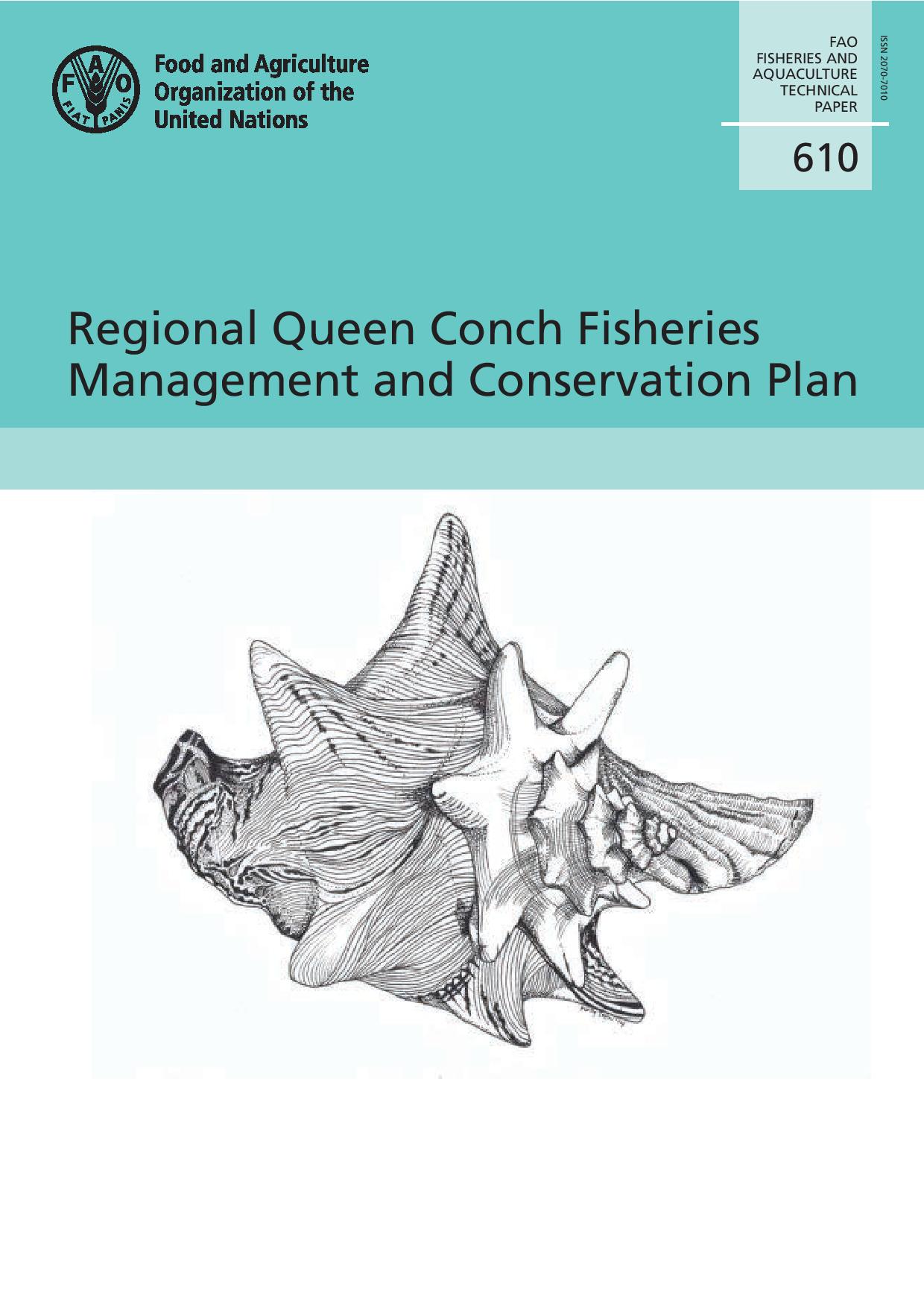
Regional Queen Conch Fisheries Management and Conservation Plan
This Regional Queen Conch Fishery Management and Conservation Plan proposes to implement a set of management measures that can be applied at the regional or subregional level for the sustainability of queen conch populations, the maintenance of a healthy fishery and the sustenance of fishers and fishers communities. This Regional Plan recommends an ecosystem-based management approach that enhances partnership and collaboration throughout the Wider Caribbean region.
Report issue
Regional Queen Conch Fisheries Management Plan – Executive Summary
Queen conch (Strombus gigas) resources occur throughout the Caribbean Sea and in the Atlantic Ocean northward to Bermuda, but populations in certain areas are decidedly overfished and in need of management. Conch are edible marine gastropods that move inshore and aggregate along areas of the insular platform to spawn. Therefore, they are extremely vulnerable to harvest especially during the spawning season.To curb overfishing (defined as a population level that is below 20 percent of the unfished spawning stock biomass per recruit) of queen conch the CFMC has proposed a management program designed to reduce the mortality on spawning adults and prevent the harvest of immature individuals. The management program contains provisions for total or areal closures, but favors effort reduction as the socio-economic impacts are less severe. The program would: (1) impose a 9-inch overall
1
Report issue
Regional Seas Core Indicators Set
To date no abstract has been uploaded for this document
Report issue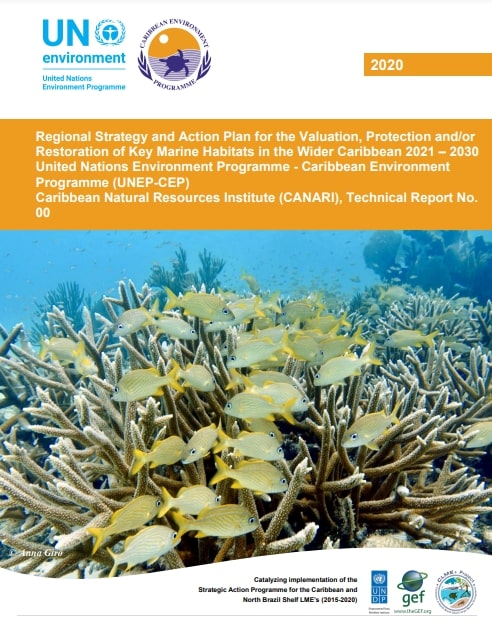
Regional Strategy and Action Plan for the Valuation, Protection and/or Restoration of Key Marine Habitats in the Wider Caribbean 2021 – 2030 United Nations Environment Programme – Caribbean Environment Programme (UNEP-CEP) Caribbean Natural Resources Institute (CANARI), Technical Report No. 00
The document describes the strategy implemented by the Specially Protected Areas and Wildlife (SPAW) Sub-Programme of the United Nations Environment Programme (UN Environment) - Caribbean Environment Programme (CEP) to support conservation and sustainable use of coastal and marine ecosystems in the wider Caribbean.
2
Report issue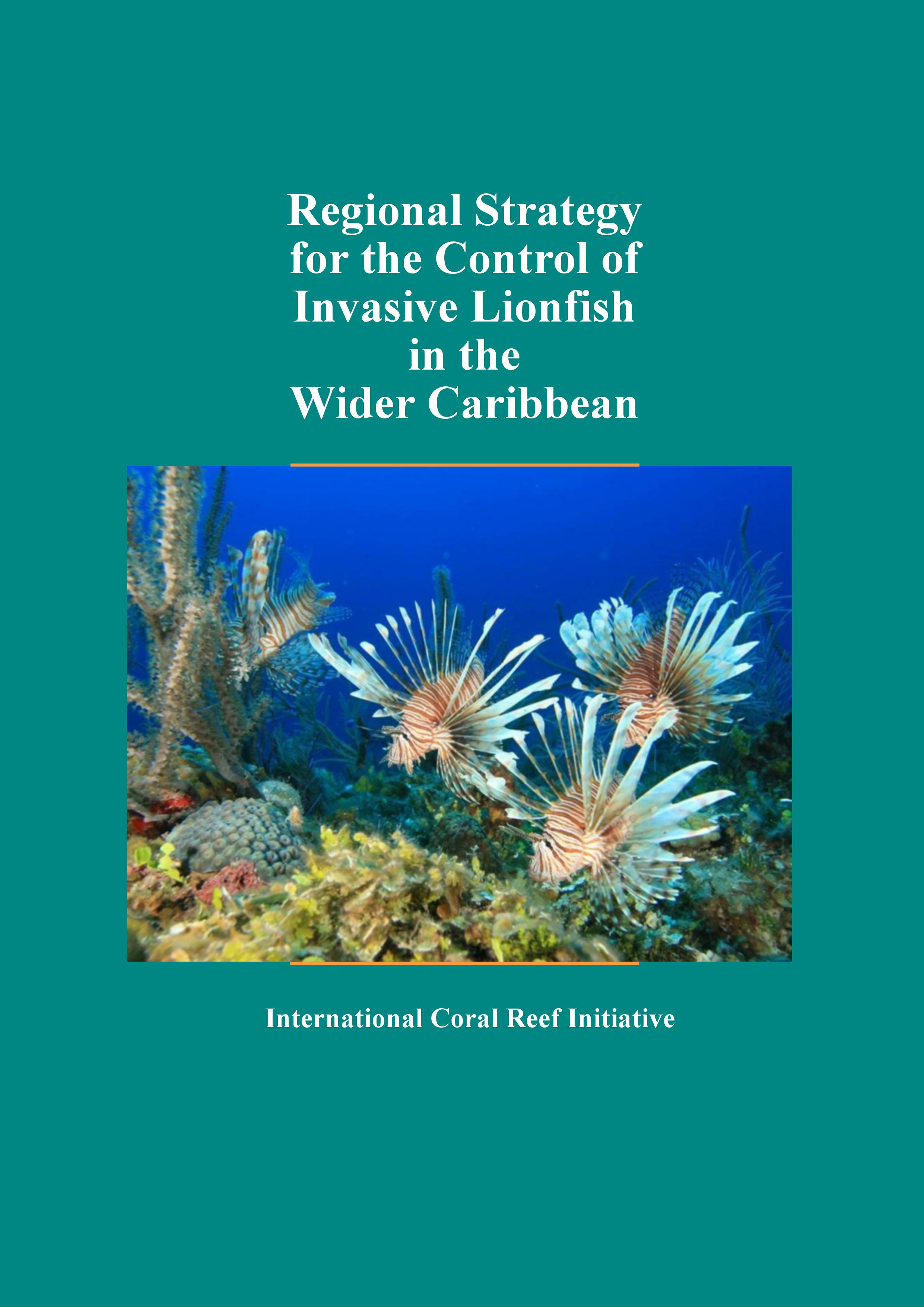
Regional Strategy for the Control of Invasive Lionfish in the Wider Caribbean
The Strategy described in this document is one of the actions implemented by the Ad Hoc Committee, known as the Regional Lionfish Committee (RLC). It seeks to build on the existing programs and efforts aimed at minimizing the impacts of the lionfish in the region, and to provide a framework for action to provide a regionally coordinated response to the lionfish threat.
1
Report issue