
Displaying 651-660 of 735 results
The CRFM Meta-Data Base Contribution To The Caribbean Large Marine Ecosystem (CLME) Project Information Management System (IMS) Component
To date no abstract has been uploaded for this document


 Report issue
The First Global Integrated Marine Assessment
The First Global Integrated Marine Assessment, also known as the “World Ocean Assessment I”, is the outcome of the first cycle of the Regular Process for Global Reporting and Assessment of the State of the Marine Environment, including Socioeconomic Aspects.The first World Ocean Assessment provides an important scientific basis for the consideration of ocean issues by Governments, intergovernmental processes, and all policy-makers and others involved in ocean affairs. The Assessment reinforces the science-policy interface and establishes the basis for future assessments. Together with future assessments and related initiatives, it will help in the implementation of the recently adopted 2030 Agenda for Sustainable Development, particularly its ocean-related goals.
1
Report issue
THE FIRST MEETING OF THE CFMC/OSPESCA/WECAFC/CRFM WORKING GROUP ON QUEEN CONCH, Panama City, Panama, 23–25 October 2012
This is the report of the first meeting of the Caribbean Fisheries Management Council (CFMC), Organization of Fishing and Aquaculture in Central America (OSPESCA), Western Central Atlantic Fishery Commission (WECAFC) and the Caribbean Regional Fisheries Mechanism (CRFM) Working Group on Queen Conch, held in Panama City, from 23 to 25 October 2012.
Report issue
The GEF Caribbean Large Marine Ecosystem (CLME+) Project and its joint Implementation through the AMEP and SPAW Subprogrammes
The UNDP/GEFCLME+project, through the strategic Action Programme for the sustainable management of the Shared Living Marine Resources of the Caribbean and North Brazil Shelf LargeMarine Ecosystems (CLME+SAP), has provided financial resources to directly support the integration of the AMEP and SPAW Sub-Programmes for not only the joint implementation of UNDP/GEF CLME+project components, but also the development of a longer-term Road Map for the AMEP and SPAWSub-Programmes that enables closer integration and coordination.
Report issue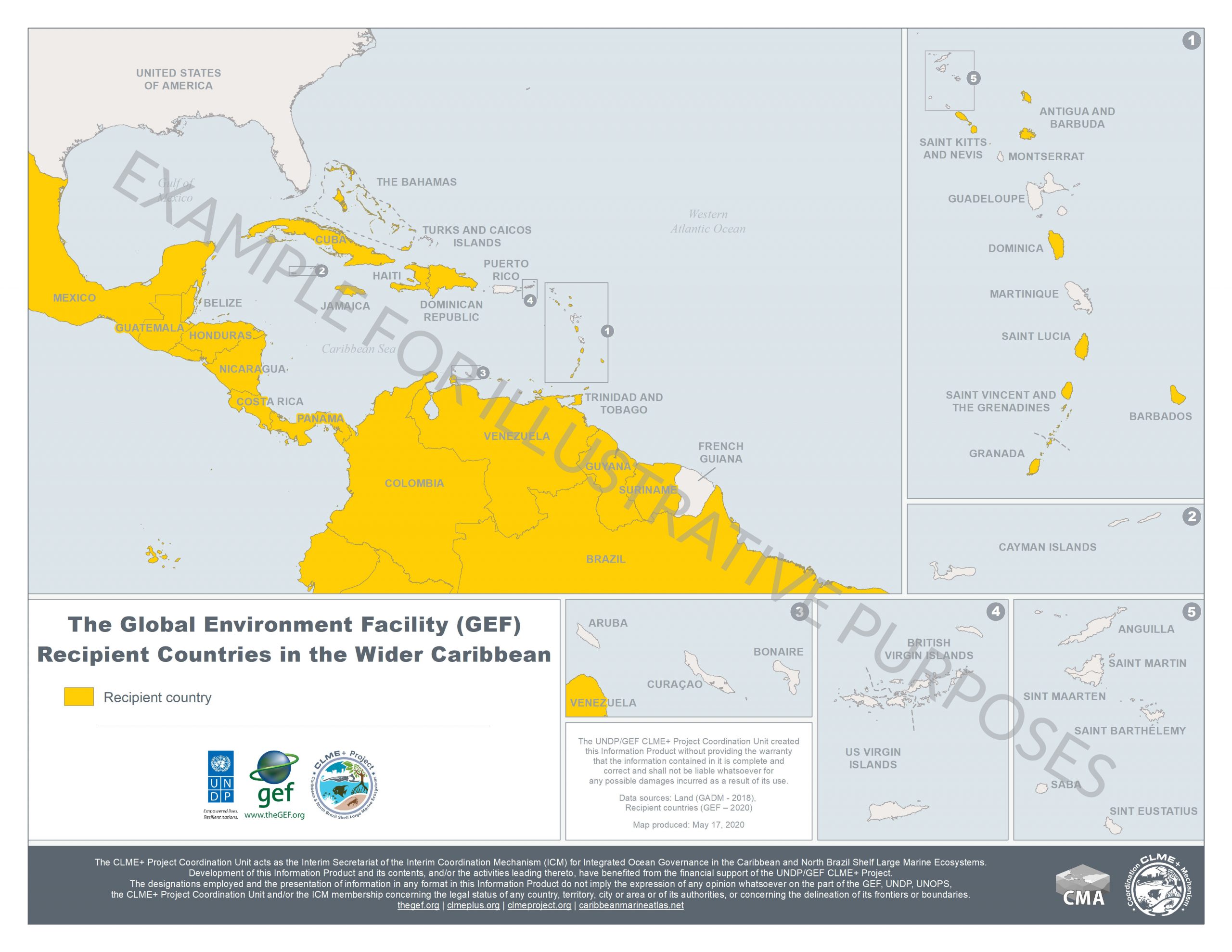
The Global Environment Facility (GEF) Recipient Countries in the Wider Caribben
To date no abstract has been uploaded for this document
1
Report issue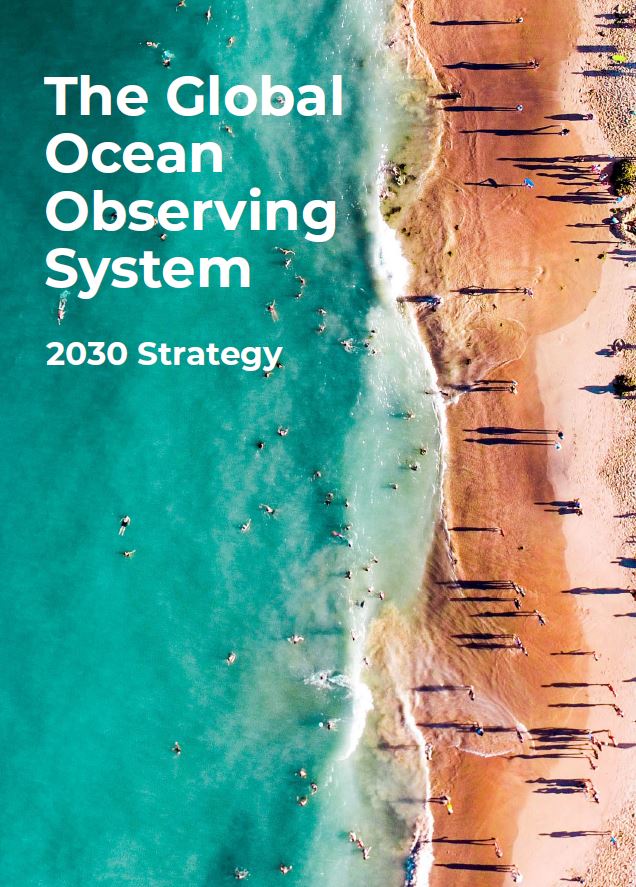
The Global Ocean Observing System 2030 Strategy
To meet urgent and expanding demands for ocean observations and services, GOOS has looked towards the coming decade and developed this 2030 Strategy. The strategy will guide us, our community, and all those willing to support development of the integrated global ocean observing system required for our safety, wellbeing, prosperity and sustainable future.
Report issue
The Global Risks Report 2020
The world cannot wait for the fog of geopolitical and geo-economic uncertainty to lift. Opting to ride out the current period in the hope that the global system will “snap back” runs the risk of missing crucial windows to address pressing challenges. On key issues such as the economy, the environment, technology and public health, stakeholders must find ways to act quickly and with purpose within an unsettled global landscape. This is the context in which the World Economic Forum publishes the 15th edition of the Global Risks Report.
Report issue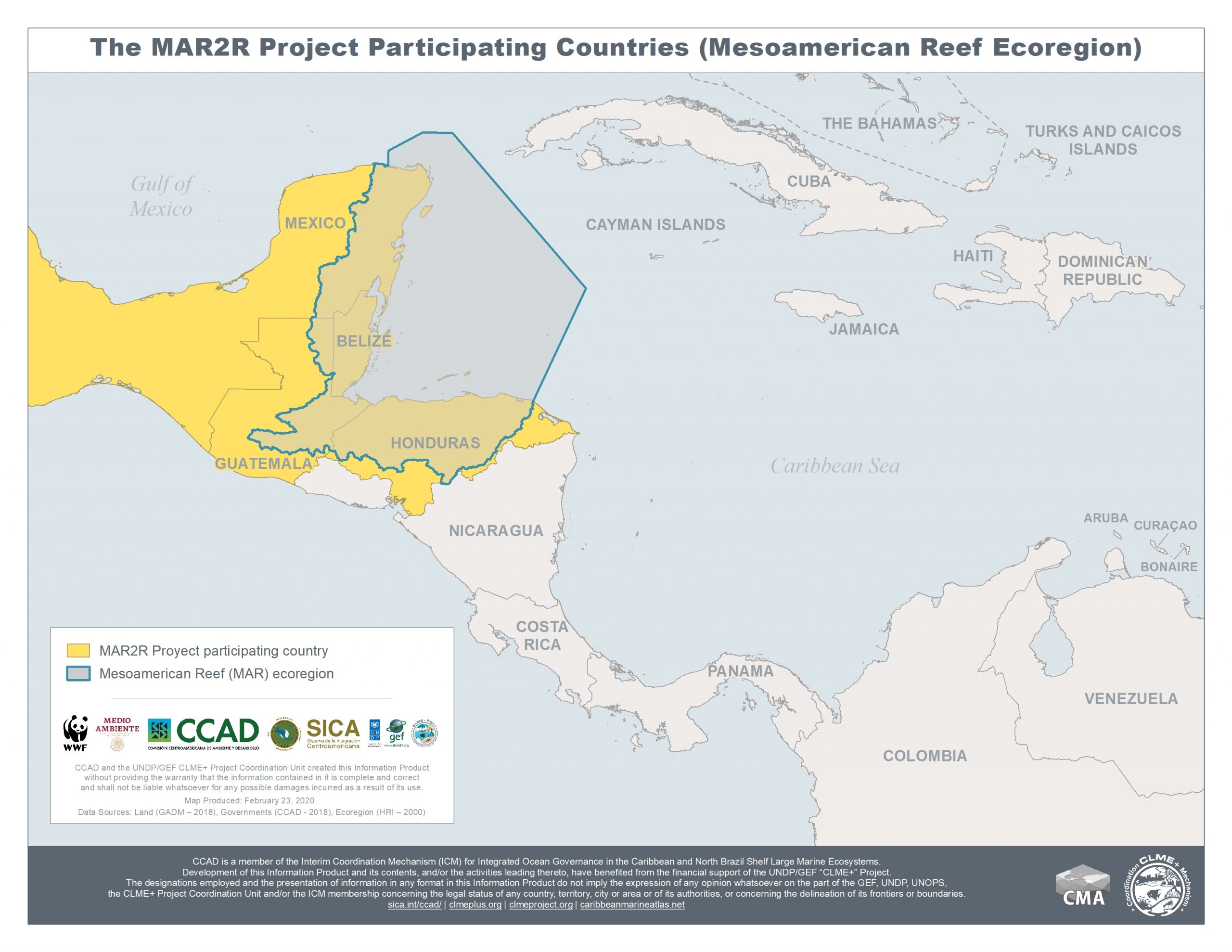
The MAR2R Project Participating Countries (Mesoamerican Reef Ecoregion)
To date no abstract has been uploaded for this document
Report issue
The Need for a Sanitation Revolution in LAC – Conclusions from World Water Week
The purpose of this technical note is to summarize and synthesize findings, conclusions and recommendations from presentations and discussions held during the aforementioned LACfocused WWW sessions, with a primary objective of outlining steps the LAC region can take to initiate the sanitation revolution needed to meet SDG Targets 6.2 and 6.3.
Report issue
The potencial to integrate blue carbon into MPA design and management
This paper explores how marine protected areas (MPAs) design, location, and management could be used to protect and increase carbon sequestration and ensure integrity of carbon storage through conservationand restoration activities.
Report issue