
Displaying 731-740 of 735 results
Why Bussiness As Usual Will Not Achieve SDG6 In Lac: The Promise of Wastewater Reuse, Green Infrastructure And Small Business Around Wash
Sustainable Development Goal #6 (SDG6) includes ambitious and comprehensive targets aiming for universal coverage of water, sanitation and hygiene (WASH) services and safe management and treatment of fecal sludge and wastewater, among others. In Latin America and the Caribbean (LAC), achieving SDG6 by 2030 will require significant effort and investment: at least US$ 14 billion annually will need to be mobilized solely to cover the capital costs associated with expanding and improving services.1 Despite much progress made towards increasing improved WASH coverage in LAC, there is still much work and investment needed, and the transition from an MDG framework to that of the SDGs will likely be a sobering “reality check” for the region with respect to the true scope, quality and challenges associated with achieving universal WASH coverage and sound water resource management.


 Report issue
Wider Caribbean Region – A Pivotal Time to Strengthen Regional Instruments For Biodiversity Conservation
The countries of the Wider Caribbean Region (WCR) are linked economically by their transboundary living marine resources. Th e region is facing a continued decline of these resources. Science is improving our understanding of the human contributions to this decline, but national policies and programmes have not kept pace with this understanding. Th e Caribbean Regional Seas Programme and its Cartagena Convention and Protocols provide the regional legal framework for protection and sustainable management of the WCR’s living marine and coastal resources.
1
Report issue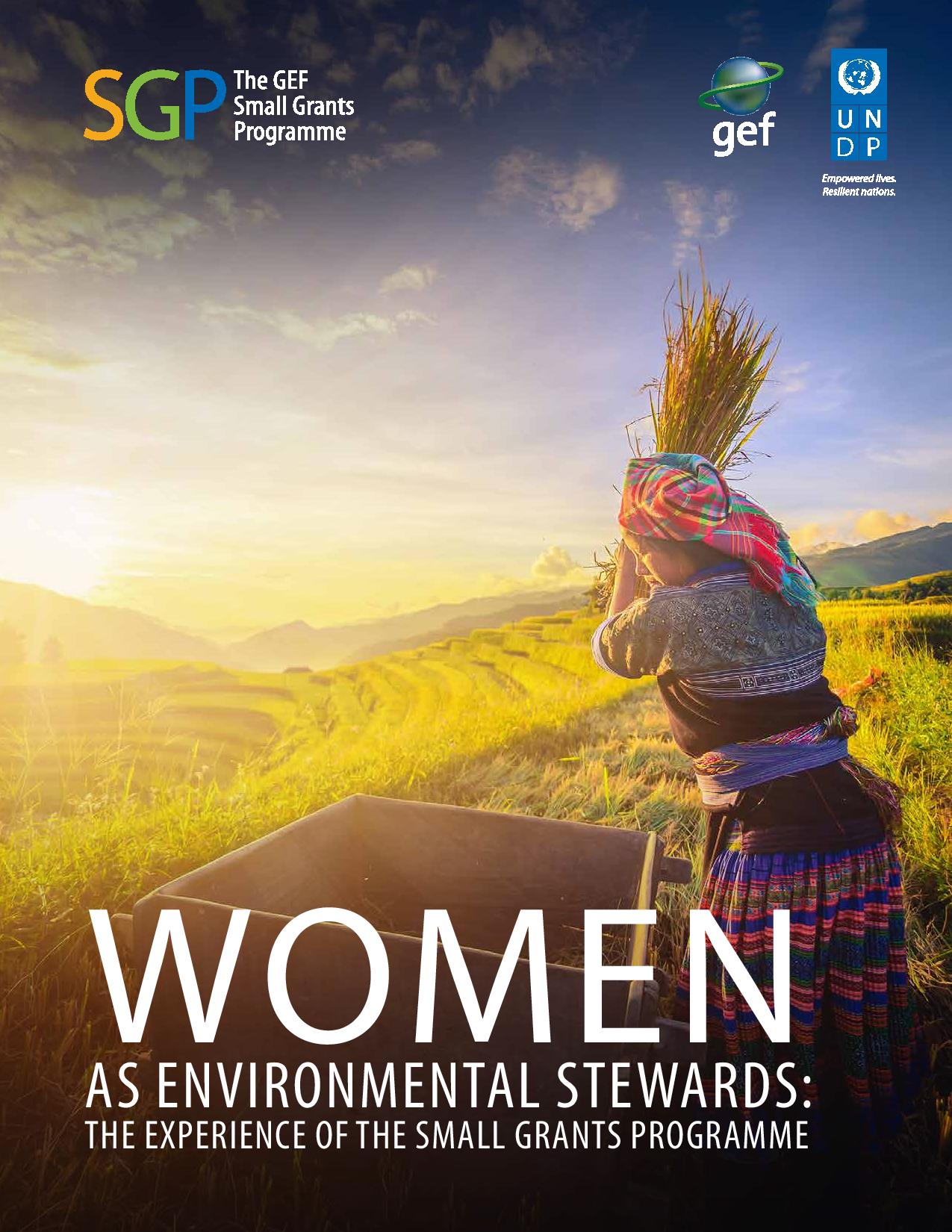
Women As Environmental Stewards: The Experience Of The Small Grants Programme
In this publication, the GEF Small Grants Programme, implemented by UNDP, features women as environmental stewards in case studies about biodiversity conservation, climate change, land degradation, international waters and chemicals and waste management. These examples show action from the ground up and demonstrate the importance of investing in women’s leadership and technical skills for improved environmental benefits and sustainable development, while challenging traditional gender norms that often prevent women from taking leadership roles or from having access and control over the natural resources they help preserve.
Report issue
Workplan and Budget for The Assessment and Management of Environmental Pollution (AMEP) Sub-Programme for The 2019-2020 Biennium
This workplan and budget covers ongoing and proposed projects and activities under the Assessment and Management of Environmental Pollution (AMEP) sub-programme of the Secretariat to the Cartagena Convention for the biennium 2019-2020. The goal of AMEP is to prevent, reduce, and control pollution of the coastal and marine environment from land and marine-based sources thereby enabling countries of the Wider Caribbean Region to meet their obligations under the Protocols Concerning Pollution from Land-based Sources and Activities (LBS Protocol), and Concerning Co-Operation in Combating Oil Spills (Oil Spills Protocol) of the Cartagena Convention.
Report issue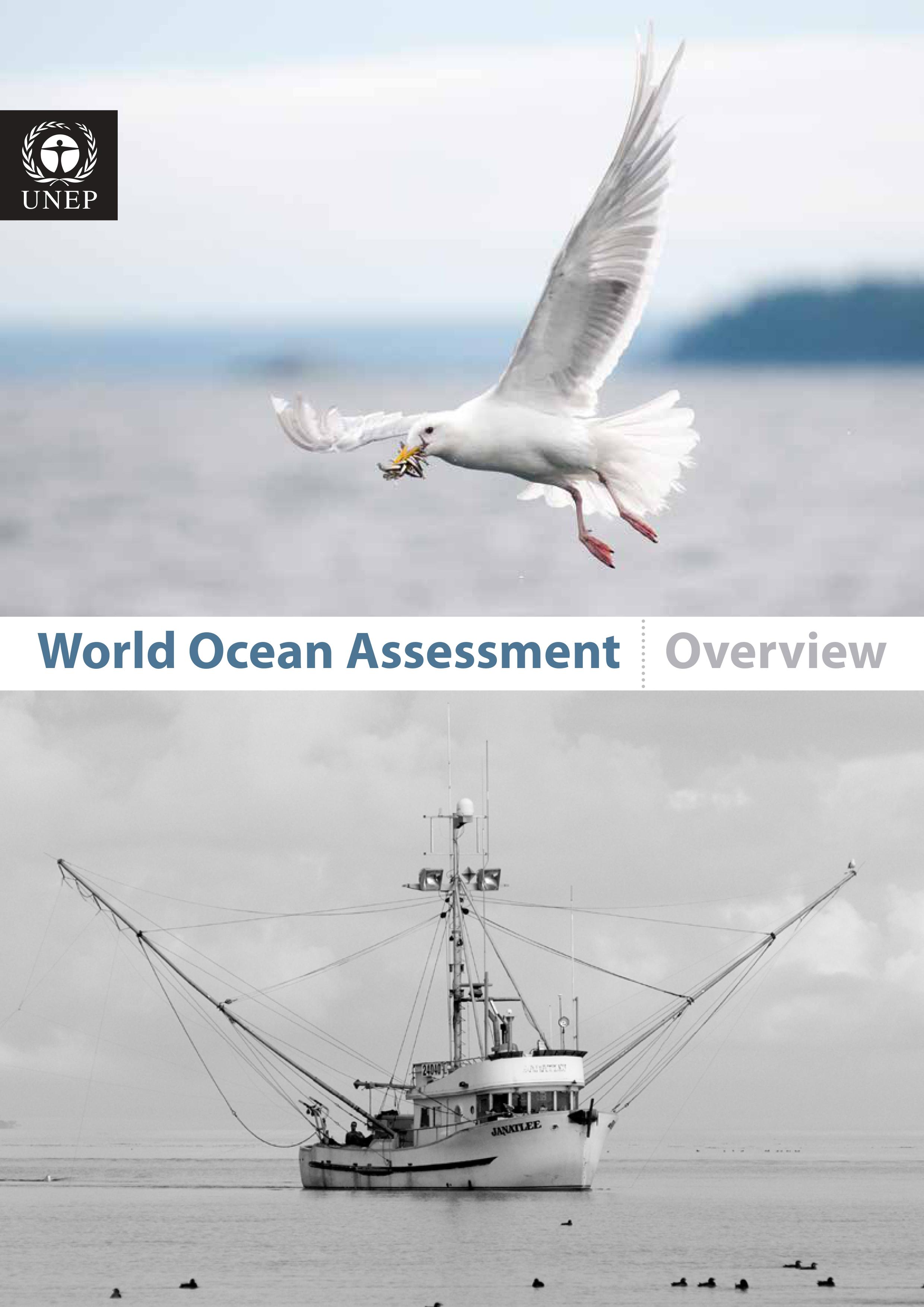
World Ocean Assessment – Overview
The first World Ocean Assessment (WOA) is a report on the state of the planet’s oceans. It is the product of the first cycle of the Regular Process for global reporting and assessment of the state of the marine environment, including socio-economic aspects, which was established after the 2002 World Summit on Sustainable Development. The assessment, though not a policy document, is intended to provide a scientific basis for action by governments, intergovernmental processes, policy-makers and others involved in ocean affairs. It offers a baseline for gauging the effectiveness of management and policy decisions and provides guidance in developing strategies and technologies to solve problems. This overview looks at the results of the first WOA in a framework that distinguishes driving forces, pressures, states, impacts and responses (called the “DPSIR framework”). The DPSIR framework provides a structure to broadly examine the state of the world’s oceans and reflects the relationship between the marine environment and human activity.
2
Report issue