

Welcome to the universal search page.
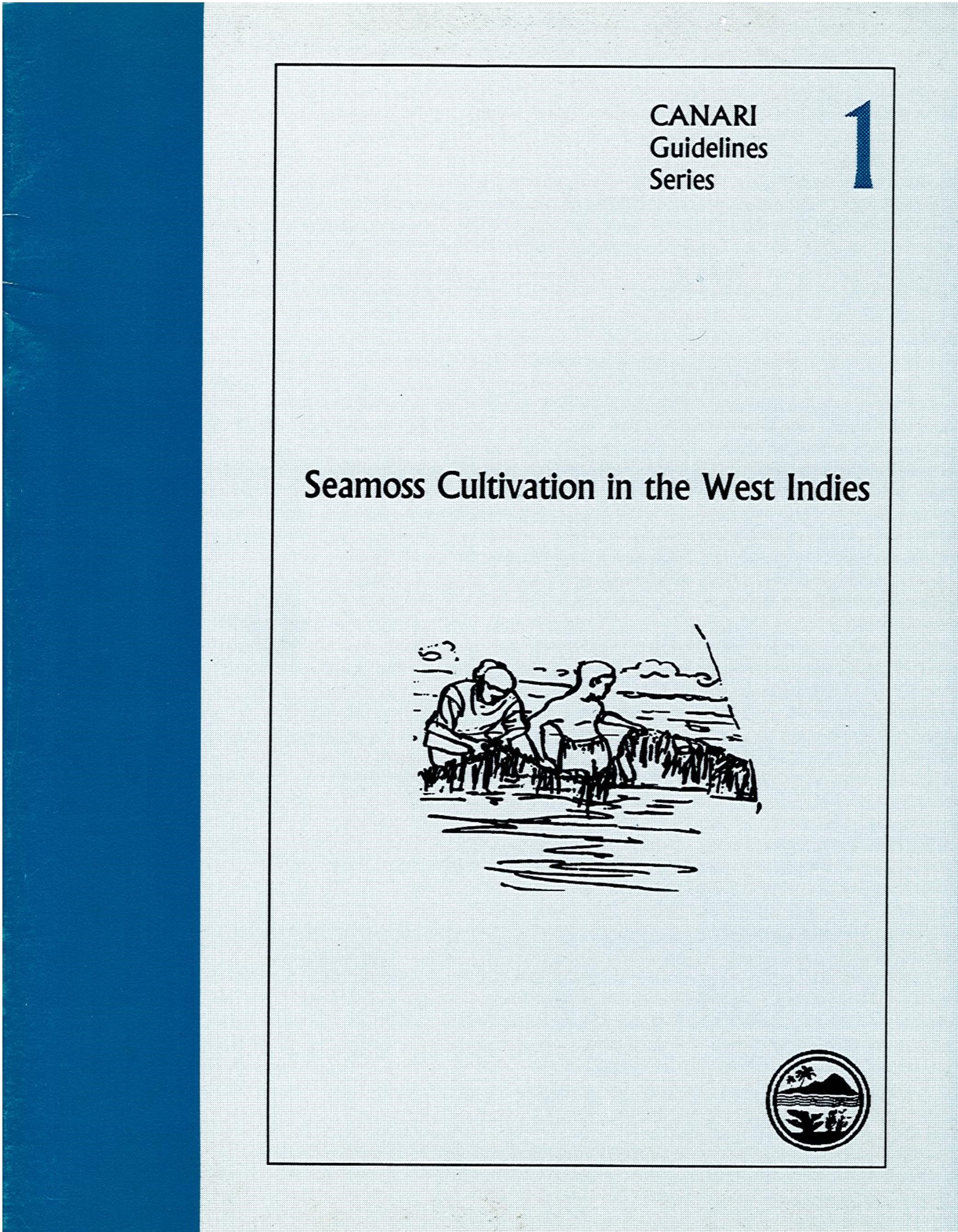
Seamoss cultivation in The West Indies
This document explains the importance of the cultivation of seamoss in the west indies, as well as its economic importance....Documents
Search Documents Demo
[facetwp facet="documents"] [facetwp facet="facet_document_format"] [facetwp facet="type_meet"]...Pages
Second CRFM – OSPESCA Joint Plan Action
This plan provides a framework for joint action that will build on the foundation established by the First Joint Plan of Action aimed at harmonizing and integrating the fisheries and aquaculture management efforts of the two sub-regions, eventually to be supported in the future by a common fisheries...Documents
https://clmeplus.org/app/themes/clme-theme
Securing pockets of paradise in the Caribbean: Embedding capacity for invasive alien species managemente in the UKOT basesd organisations
The project addressed IAS management approaches and implementing on-the-ground practical activities in 9 sites within 4 Key Biodiversity Areas. It implemented public awareness through campaigns, hosted regional meetings, developed regional protocols/guidelines addressing critical IAS management issu...Project
https://clmeplus.org/app/themes/clme-theme
Setting the foundations for zero net loss of the mangroves that underpin human wellbeing in the North Brazil Shelf LME
The NBS Mangrove Project, was an 18 month project organised under a single component to help establish a shared and multi-national process for an Integrated Coastal Management (ICM) in the NBS. The project recognises the prevalence, socio-ecological importance and connectivity of mangroves in the re...Project
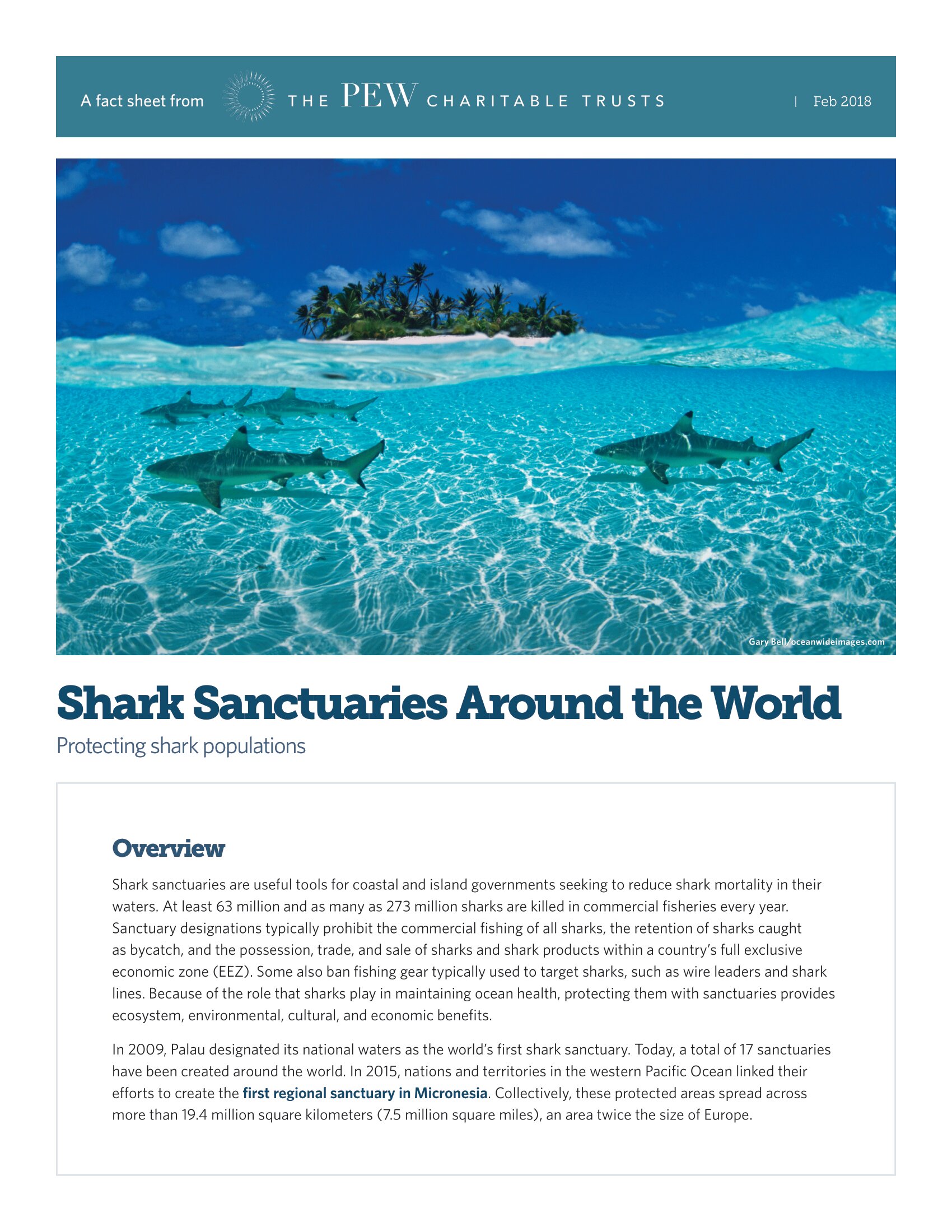
Shark Sanctuaries Around the World – Protecting shark populations
Shark sanctuaries are useful tools for coastal and island governments seeking to reduce shark mortality in their waters. At least 63 million and as many as 273 million sharks are killed in commercial fisheries every year. Sanctuary designations typically prohibit the commercial fishing of all shark...Documents